FREE TRACKED SHIPPING ON ORDERS OVER $299 $125
Sale!

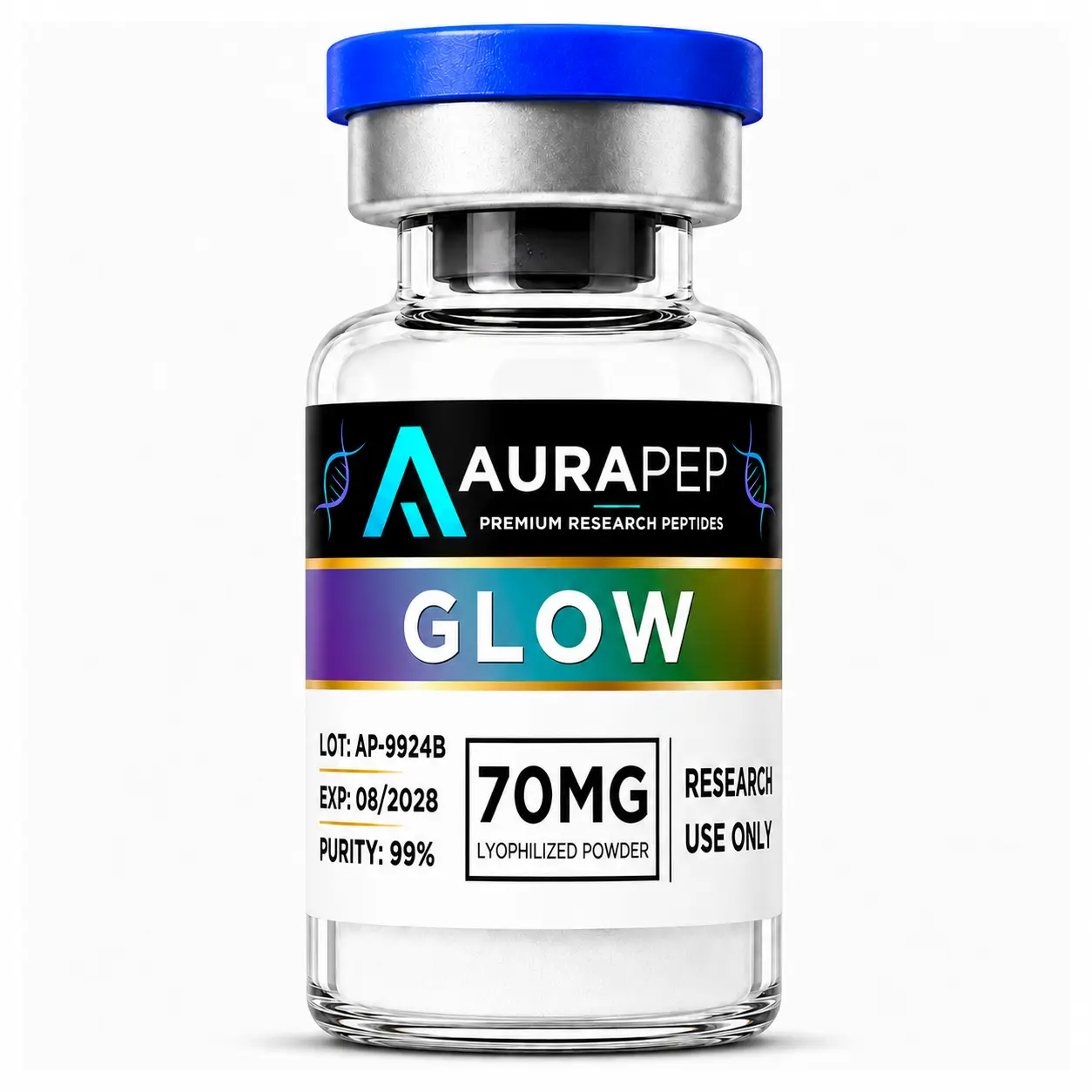
Glow Blend – 70mg

Original price was: $124.99.Current price is: $106.24.

15% OFFOctober Research Event

In stock

SALE ENDS IN --D--H--M--S
  • Research focus: Multi-pathway tissue-response and matrix-signalling models
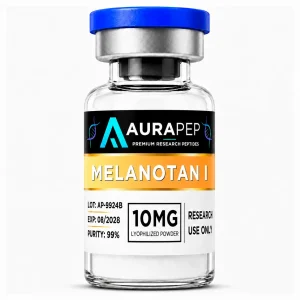
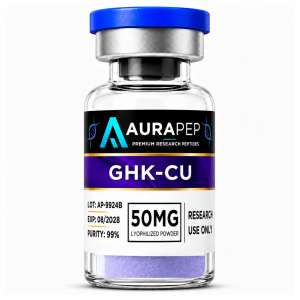
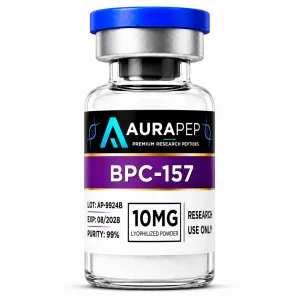
  • Components: BPC-157 10mg, GHK-Cu 50mg and TB-500-related peptide 10mg
  • Researchers are exploring: Tissue repair, collagen and extracellular-matrix signalling
Fast Order ProcessingIn-stock orders prepared promptly
Tracking ProvidedEmailed when your order is on its way
Canadian SupportHelp when you need it

RESEARCH AT A GLANCE

A clearer view of the research landscape

01

Primary pathway

Multi-peptide pathway research

02

Researchers explore

complementary tissue-response, matrix and cellular-signalling pathways

03

Research coverage

Component-led preclinical research

BPC157 10mg+GHK-CU50mg+TB500 10mg (Glow) — 70mg

Product Overview

Glow is a three-component research blend containing labelled BPC-157, GHK-Cu and TB-500-related peptide. It combines compounds associated with different experimental systems involving fibroblast behaviour, extracellular-matrix signalling and actin dynamics.

Component Research Context

BPC-157 is examined in cell migration and vascular-response models. GHK-Cu is studied in copper-peptide chemistry and extracellular-matrix signalling. TB-500-related peptide is associated with thymosin-beta-4 and actin-regulation research.

Blend Research Considerations

Individual component findings do not establish combined effects. Studies using this blend require controls capable of separating mixture-level observations from the known or proposed actions of each component.

In Plain Language

Researchers may use Glow to examine how signals connected with tissue repair, cell movement, copper transport and collagen-rich extracellular matrix behave in a combined experimental system. BPC-157 and TB-500-related research focuses on repair signalling and cell movement, while GHK-Cu research focuses on copper-dependent matrix renewal.

In plain terms, Glow research brings together pathways associated with tissue recovery and structural renewal. Researchers may examine collagen, elastin, fibroblast behaviour, vascular signalling and how cells rebuild the supportive matrix around them.

Product Specifications

  • Catalogue No.: GLOW70
  • Vial Size: 70mg total

Quality & Documentation

Lot-specific product documentation and Certificate of Analysis (COA) information may be available through AURAPEP where applicable.

Research Use Only

RESEARCH USE ONLY — NOT FOR HUMAN CONSUMPTION. Supplied strictly for laboratory, analytical and research purposes. Not intended for self-administration or to diagnose, treat, cure or prevent any disease.
AURAPEP RESEARCH LIBRARY

Related Research

Explore the scientific background, evidence and limitations associated with this research compound.

Compound & Pathway Profiles

Glow Blend Research: BPC-157, GHK-Cu and TB-500 Component Evidence

A component-by-component map of the Glow Blend evidence—and why separate studies do not establish the performance or synergy of the finished blend.

Component evidence only; finished-blend evidence not established · 7 minutes

Research Library

How to Evaluate a Peptide Research Study

A practical framework for assessing study design, controls, sample size, outcomes, statistics, replication and conflicts of interest.

Research-method fundamentals · 11 minutes

Component-evidence limitation: Research on individual components does not establish the effects, performance or synergy of the combined blend.

Explore the complete Research Library

PRODUCT FAQ

Three common research questions

Explore concise, product-specific answers without leaving this page.

PRODUCT FAQ

Glow Blend – 70mg

01

What is the Glow blend and which pathway do researchers study?

The Glow blend is studied in relation to multi-peptide pathway research. Researchers use it to investigate complementary tissue-response, matrix and cellular-signalling pathways.

02

What are researchers investigating?

The current research landscape includes Component-led preclinical research. Study designs may involve biochemical assays, cell systems, animal models or regulated human research depending on the compound, and results should be interpreted within the limits of each model.

03

Why are these components studied together?

This is a multi-component research blend rather than a single compound. Its components are studied across partly overlapping tissue-response, matrix and cellular-signalling pathways, but the combination should not be assumed to produce proven synergy.

Research information is provided for scientific context. Product supplied for research use only.