FREE TRACKED SHIPPING ON ORDERS OVER $299 $125
Sale!

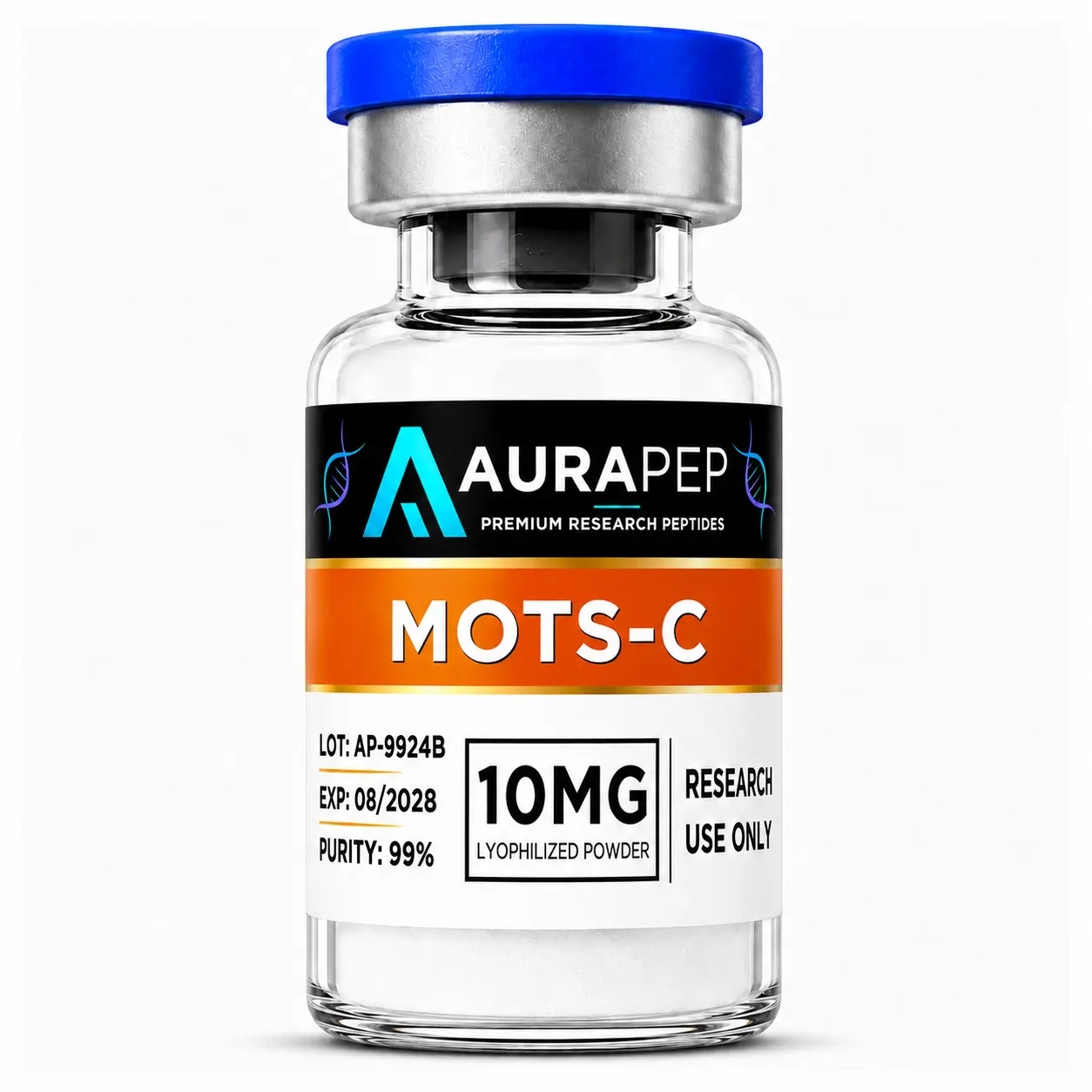
MOTS-C – 10mg

Original price was: $74.99.Current price is: $63.74.

15% OFFOctober Research Event

Low stock — act fast!

SALE ENDS IN --D--H--M--S
SKU: MS10-10MG Categories: ,
  • Research focus: Mitochondrial signalling and cellular stress responses
  • Compound class: Mitochondrial-derived peptide
  • Researchers are exploring: Cellular energy, metabolic stress and mitochondrial communication
Fast Order ProcessingIn-stock orders prepared promptly
Tracking ProvidedEmailed when your order is on its way
Canadian SupportHelp when you need it

RESEARCH AT A GLANCE

A clearer view of the research landscape

01

Primary pathway

Mitochondrial-derived peptide signalling

02

Researchers explore

cellular energy sensing, metabolic flexibility and stress responses

03

Research coverage

Preclinical and early translational research

MOTS-C — 10mg

Product Overview

MOTS-C is a 16-amino-acid mitochondrial-derived peptide encoded within a short open reading frame of mitochondrial 12S ribosomal RNA. It is studied as part of the emerging field of communication between mitochondrial and nuclear genomes.

Research Background

Experimental work has examined MOTS-C in relation to AMP-activated protein kinase, folate and purine metabolism, cellular stress adaptation and mitonuclear signalling. Under metabolic stress, cell studies have reported movement of MOTS-C to the nucleus and changes in stress-responsive gene expression.

Current Areas of Investigation

Research includes metabolic-stress models, mitochondrial bioenergetics, skeletal-muscle signalling, cellular redox responses and age-related changes in mitochondrial communication.

In Plain Language

Researchers are exploring how MOTS-C may help cells recognize and respond to metabolic stress, adjust energy use and coordinate signals between mitochondria and the cell nucleus. Experimental studies connect MOTS-C with AMPK, a major cellular energy sensor, and with changes in genes involved in antioxidant and stress responses.

In plain terms, MOTS-C is being studied as a possible messenger that tells a cell when its energy systems are under pressure. Researchers are interested in whether that message can influence glucose handling, mitochondrial efficiency, muscle metabolism and cellular resilience during metabolic or age-related stress.

Product Specifications

  • Catalogue No.: MS10
  • Vial Size: 10mg

Quality & Documentation

Lot-specific product documentation and Certificate of Analysis (COA) information may be available through AURAPEP where applicable.

Research Use Only

RESEARCH USE ONLY — NOT FOR HUMAN CONSUMPTION. Supplied strictly for laboratory, analytical and research purposes. Not intended for self-administration or to diagnose, treat, cure or prevent any disease.
AURAPEP RESEARCH LIBRARY

Related Research

Explore the scientific background, evidence and limitations associated with this research compound.

Research Library

How to Evaluate a Peptide Research Study

A practical framework for assessing study design, controls, sample size, outcomes, statistics, replication and conflicts of interest.

Research-method fundamentals · 11 minutes

Explore the complete Research Library

PRODUCT FAQ

Three common research questions

Explore concise, product-specific answers without leaving this page.

PRODUCT FAQ

MOTS-C – 10mg

01

What is MOTS-C and which pathway do researchers study?

MOTS-C is studied in relation to mitochondrial-derived peptide signalling. Researchers use it to investigate cellular energy sensing, metabolic flexibility and stress responses.

02

What are researchers investigating?

The current research landscape includes Preclinical and early translational research. Study designs may involve biochemical assays, cell systems, animal models or regulated human research depending on the compound, and results should be interpreted within the limits of each model.

03

How does it differ from related research compounds?

MOTS-C is a mitochondrially encoded signalling peptide associated with cellular energy sensing. SS-31 is instead studied for its interaction with mitochondrial membranes, while NAD+ participates broadly in cellular redox and coenzyme biology.

Research information is provided for scientific context. Product supplied for research use only.